
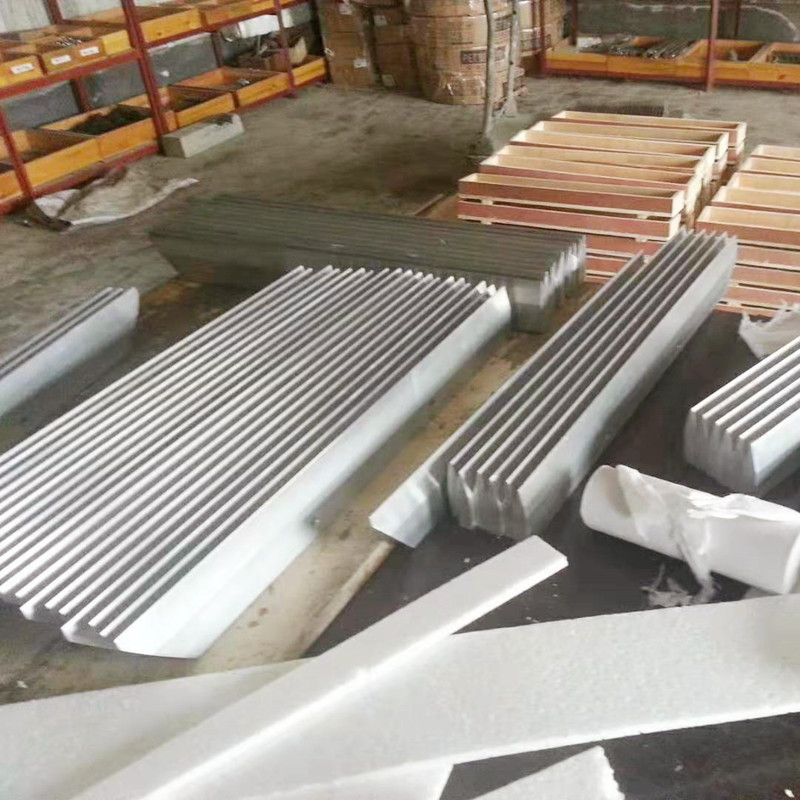
fluted glass panel
Understanding Back Pressure Check Valves Back pressure check valves are essential components in various fluid control systems, playing a critical role in ensuring the efficient operation of piping systems across multiple industries. These valves are designed to prevent reverse flow and maintain the necessary back pressure in a system, thereby protecting equipment and ensuring the integrity of fluid transport. What is a Back Pressure Check Valve? A back pressure check valve is a type of valve that automatically prevents backflow in a piping system. It operates based on the pressure difference between the inlet and outlet, allowing fluid to flow in one direction while blocking it from flowing in the opposite direction. These valves are particularly vital in applications where maintaining a specific pressure is crucial for system performance and safety. How Does a Back Pressure Check Valve Work? The operation of back pressure check valves is based on a simple yet effective mechanical principle. When fluid flows in the intended direction, it exerts pressure on the valve seat, which allows the valve to open. However, if the flow attempts to reverse, the backpressure pushes the valve seat against the closure mechanism, sealing it tightly and preventing any flow back into the system. This feature is vital in applications where backflow could lead to contamination, pressure failures, or damage to the equipment. Applications of Back Pressure Check Valves These valves find applications in various industries, including 1. Oil and Gas Back pressure check valves are used to maintain pressure within pipelines and prevent backflow during extraction and transportation processes. 2. Water Treatment In water treatment facilities, these valves help ensure that treated water does not flow back into the raw water supply, protecting the ecosystem and maintaining water quality. 3. Chemical Processing In chemical plants, preventing backflow is critical to avoid chemical contamination and ensure the safety of operations. 4. HVAC Systems In heating, ventilation, and air conditioning systems, back pressure check valves help manage airflow and maintain system pressure for optimal performance . Benefits of Back Pressure Check Valves back pressure check valve 1. Protection Against Contamination By preventing reverse flow, back pressure check valves ensure that harmful contaminants do not enter clean water systems or sensitive processes, enhancing overall system hygiene. 2. System Integrity These valves help maintain the integrity of the piping system by ensuring that pressure levels remain constant and within safe limits. 3. Reduced Maintenance With their automatic operation, back pressure check valves minimize the need for manual monitoring and maintenance, resulting in lower operational costs. 4. Energy Efficiency By maintaining a steady flow and preventing backflow, these valves contribute to the overall energy efficiency of the system, reducing pumping costs and improving performance. Choosing the Right Back Pressure Check Valve When selecting a back pressure check valve, it's essential to consider factors such as flow rate, pressure ratings, material compatibility, and the specific application it will be used for. Different designs, including spring-loaded and pilot-operated configurations, offer various advantages depending on the application requirements. 1. Material Selection It is crucial to select a valve material that can withstand the specific fluid type and environmental conditions, whether it be corrosive chemicals, high temperatures, or other demanding conditions. 2. Flow Characteristics Understanding the flow profile of the system is important for selecting a valve that minimizes pressure drop and optimizes performance. 3. Size and Connection Type Proper sizing and connection type ensure seamless integration into existing systems, preventing leaks and ensuring efficient operation. Conclusion Back pressure check valves are vital components of fluid control systems, contributing to safety, efficiency, and system integrity. By preventing backflow and maintaining necessary pressure levels, these valves protect equipment and enhance system performance in a range of applications. With careful selection and appropriate maintenance, back pressure check valves can provide long-lasting solutions for various industries, ensuring smooth and reliable operations. Whether you are working in oil and gas, water treatment, chemical processing, or HVAC, the importance of these valves cannot be overstated, as they play an indispensable role in modern fluid management systems.
about
fluted glass panel
Understanding the Main Water Valve A Key Component in Home Plumbing The main water valve is an essential element in residential plumbing systems, serving as the gateway to water supply for the entire household. Located where the main water line enters the home, this valve plays a critical role in controlling the flow of water, preventing leaks, and ensuring the overall safety of water usage in households. In this article, we will explore the function of the main water valve, how to identify it, and the procedures for properly operating and maintaining this vital component. What Is the Main Water Valve? The main water valve is a valve that regulates the amount of water flowing into a home from the municipal water supply. Typically made from materials like brass, copper, or PVC, the main water valve can take various forms, with the most common types being gate valves and ball valves. Gate valves have a wheel that needs to be turned to open or close the valve, while ball valves use a lever that can be flipped to control water flow quickly. Knowing which type you have is crucial in emergency situations. Why Is the Main Water Valve Important? The main water valve serves several important functions. First and foremost, it allows homeowners to shut off the water supply during plumbing emergencies, such as a burst pipe or a leaking appliance. This capability can prevent extensive water damage and expensive repairs. Additionally, the valve is instrumental during plumbing installations, maintenance, or emergencies, ensuring that no water flows while work is being performed. Moreover, in regions where water may experience contamination or where the supply might be affected by natural disasters, being able to quickly shut off the main valve can protect the health and safety of all household members. By limiting the access to water during these crises, homeowners can mitigate risk. Locating Your Main Water Valve Finding your main water valve is the first step to ensuring you can manage your water system effectively. In most homes, the valve is located near the perimeter of the house where the main water line enters . Common locations include basements, crawl spaces, or even outside walls. If you have trouble locating it, follow the main water line from the street; it usually leads directly to the valve. main water valve Generally, the main valve can be identified by its size and the fact that it is connected to the water line. If you're uncertain, consult your home’s plumbing blueprint or seek assistance from a professional plumber. Operating the Main Water Valve Operating the main water valve is relatively straightforward and should always be done cautiously. To close the valve, turn the handle clockwise (right). Depending on the type of valve, it may require several turns to fully shut off the water supply. To open the valve, turn the handle counterclockwise (left). Always ensure that you operate the valve slowly to prevent sudden pressure changes that may damage your plumbing system. Maintenance and Precautions Regular maintenance of the main water valve is crucial to ensure its proper functioning. Homeowners should periodically check for leaks around the valve and confirm that it operates smoothly. If the valve is stiff or difficult to turn, it may require lubrication or replacement. It is also wise to periodically test the valve by turning it off and on to ensure that it is not stuck. When dealing with the main water valve, always keep safety in mind. Wear protective clothing when operating the valve and ensure that you have necessary tools on hand, such as a wrench. If you encounter significant resistance, or if the valve does not operate as expected, it’s advisable to contact a licensed plumber for assistance. Conclusion In summary, the main water valve is a critical component of any plumbing system, providing control over the water supply and playing a vital role in emergency management. By understanding its functionality, location, and maintenance needs, homeowners can better prepare for potential plumbing issues, ensuring the safety and efficiency of their water systems. Regular inspections and proactive care of the main valve can significantly reduce the risk of water damage and costly repairs, making it an essential element of responsible home ownership.
-

High quality industrial productsagement

High quality industrial products
View Details -

Meet the diverse needs of customers

Meet the diverse needs of customers
View Details -

Strict quality control

Strict quality control
View Details -

Top raw materials

Top raw materials
View Details -

Trusted supplier

Trusted supplier
View Details
Our application

news and information
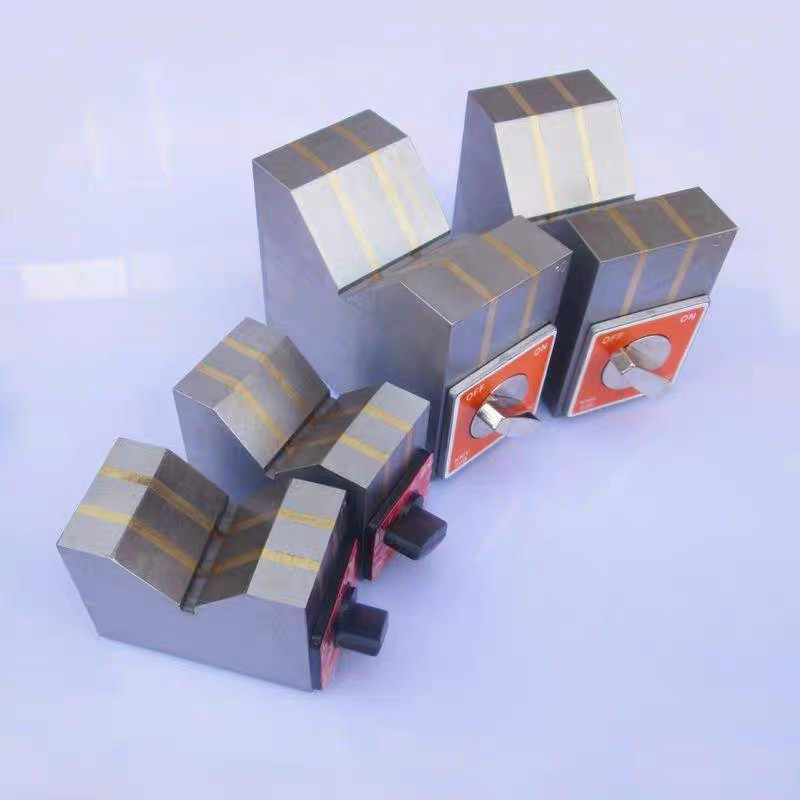
Water Hose Shutoff Valve for Efficient Water Control and Usage Management
The Importance of a Water Hose Shut-Off Valve When it comes to managing water flow in your garden or
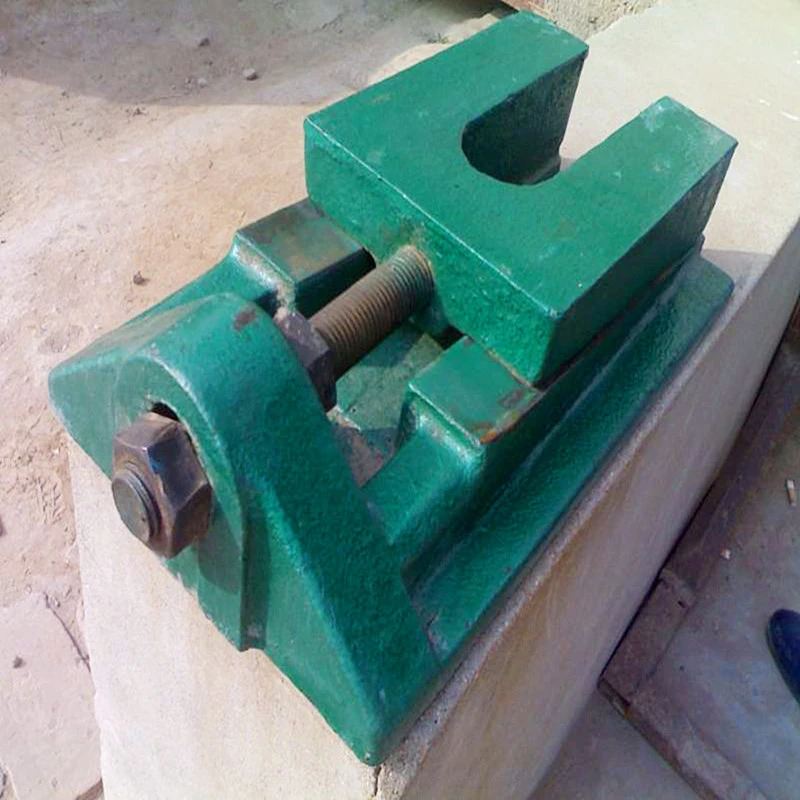
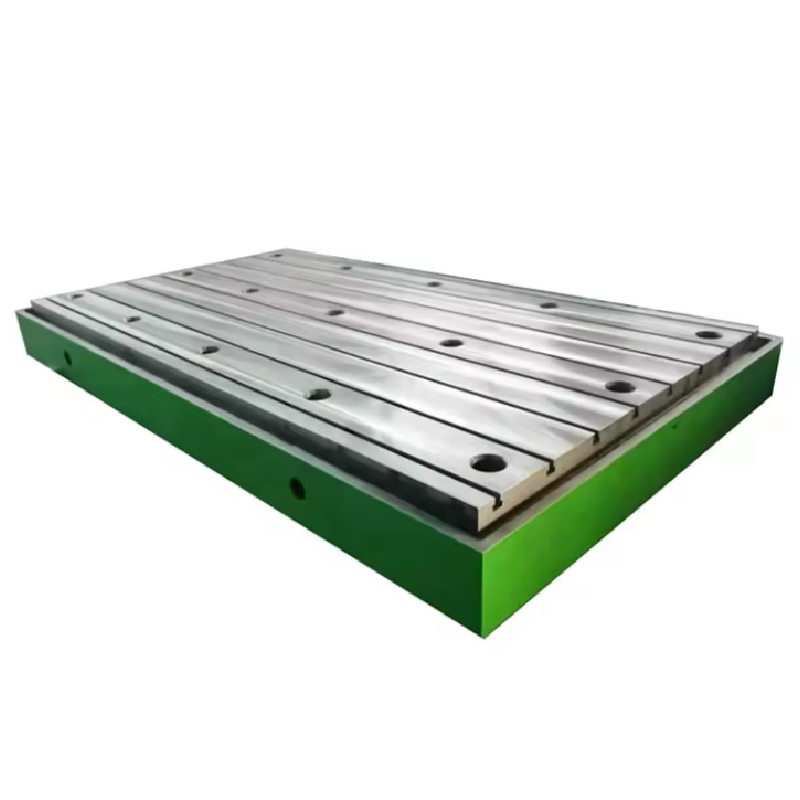
Versatile 5 8% Welding Table Clamps for Precision Metalworking and Fabrication
The Importance of 5% and 208% Welding Table Clamps in Modern Fabrication In the world of metal fabri
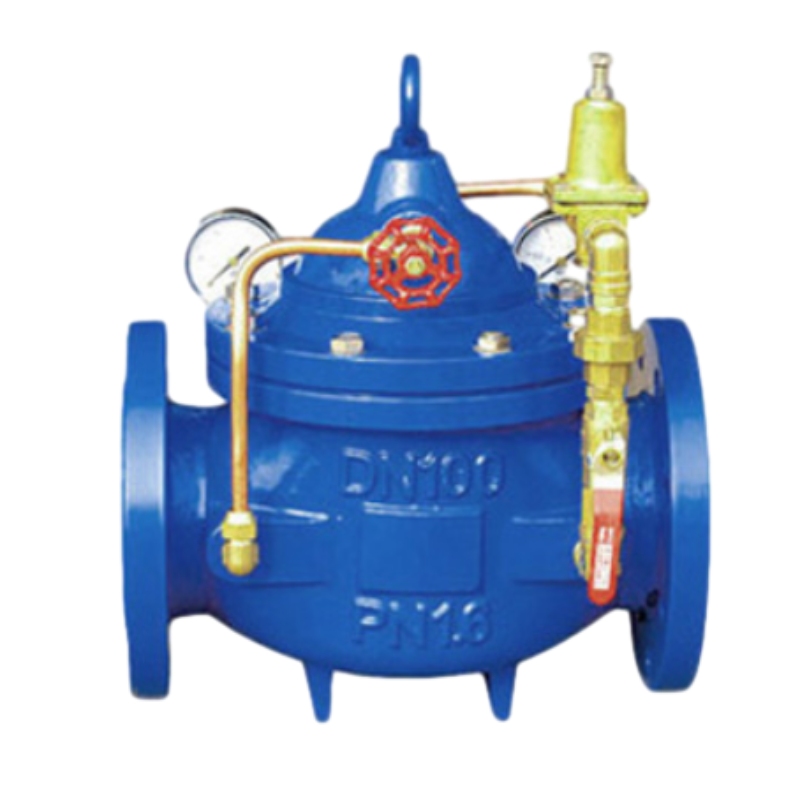
Versatile 3D Welding Table for Precision Fabrication and Efficient Workflow Solutions
The Advantages of a 3D Welding Table in Modern Fabrication In today’s fast-paced manufacturing envir
 English